 Godwin Obaje
Everton’s New Stadium Name Sparks Controversy and Online Backlash: A Deep Dive into the Hill Dickinson Deal
Introduction
In an announcement that has sent shockwaves through both Everton Football Club’s fanbase and the wider football community, the Premier League club revealed the official naming rights for their new stadium at Bramley-Moore Dock. The new venue will bear the name “Hill Dickinson Stadium,” following an agreement with the Liverpool-based law firm Hill Dickinson. However, the announcement has been met with widespread derision and mockery from rival supporters and even from some Everton fans, many of whom were hoping for a more iconic or football-focused name.
The naming of a stadium is often a significant moment for any club, marking a new chapter in their history. The partnership between Everton and Hill Dickinson signals the beginning of a new era, not just for the club but for the regeneration of the city of Liverpool itself. Yet, the reaction to this move has sparked an intense debate over the role of corporate sponsorship in modern football and the emotional attachment fans have to iconic stadium names.
This article will explore the reactions to the name, the financial and cultural implications of the deal, and what the future holds for Everton’s new home at Bramley-Moore Dock.
Chapter 1: The Announcement
On a routine Friday morning, Everton Football Club tweeted their announcement of the new stadium name: “Everton Football Club is proud to announce Hill Dickinson as the official naming rights partner for the Club’s new stadium, in a long-term agreement that will see the iconic venue named Hill Dickinson Stadium.”
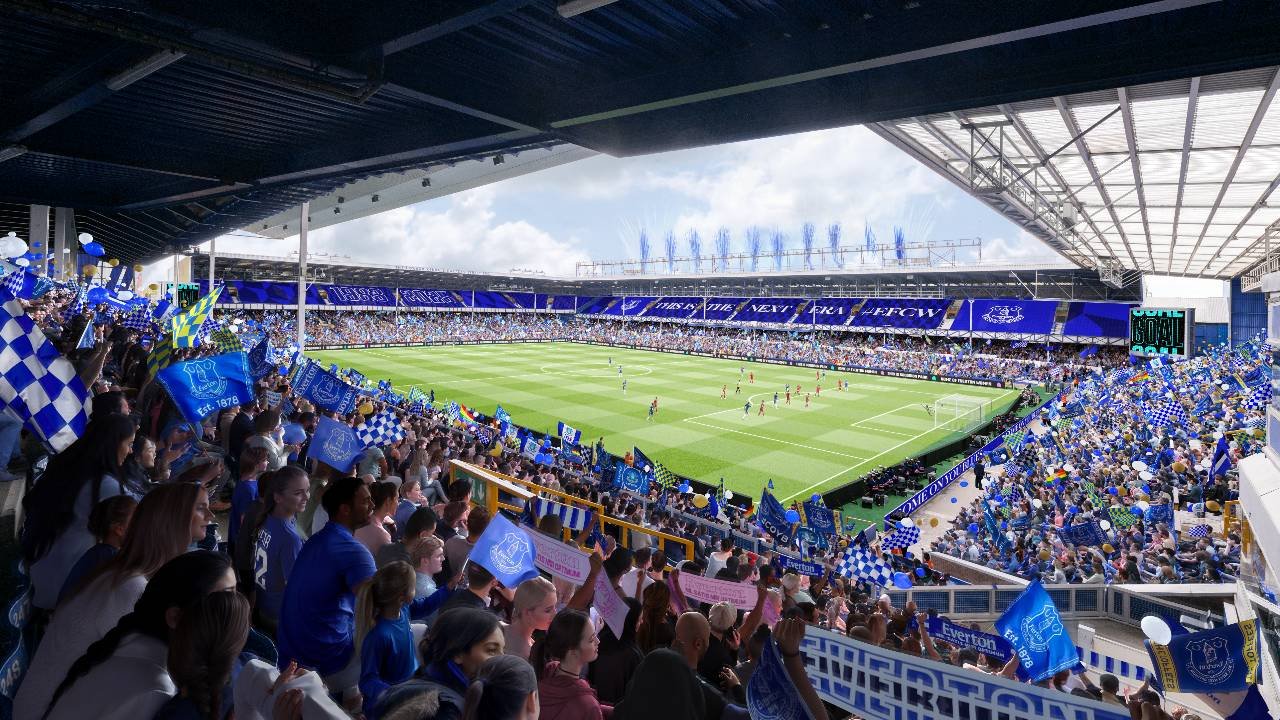
The tweet, which was accompanied by an image of the stadium’s digital mock-up, was intended to be a proud moment for the club. But instead, it quickly went viral – not for the reasons the club had hoped. The reaction was swift and largely negative.
Chapter 2: The Online Backlash
Rival supporters, particularly from Liverpool, immediately seized upon the name as an opportunity for mockery. Social media platforms erupted with scornful comments, with many fans dismissing the name as “the worst stadium name of all time.” On X (formerly Twitter), one user, @BrentfordHive, expressed the general sentiment with the blunt comment: “Worst stadium name ever?” Others followed suit, with @the0th3rside_ describing it as a “horrendous name” and predicting that it would lead to “headloss” among supporters.
For Everton fans, the announcement seemed like a misstep. One Everton supporter, @EvertonBlueArmy, lamented: “Nah seriously, what a terrible name,” while @efckyle_ joked: “April fools day was last month, lads.” The frustration seemed to stem from the fact that the stadium’s name did not carry the weight of history or passion that fans typically associate with football venues.
Some supporters even predicted that the new stadium would become a laughingstock for years to come. @h_army360 wrote: “Gonna get absolutely ripped for that name hahaha.” The idea of a legal firm’s name being attached to Everton’s new home was seen as something that would inevitably be mocked by rival fans for years.
Chapter 3: A Bold Strategic Step
Despite the online backlash, Everton CEO Angus Kinnear remained upbeat about the naming rights deal. In an official statement, Kinnear explained: “Welcoming Hill Dickinson as our naming rights partner is a bold and strategic step forward. This partnership goes beyond branding – it’s a shared commitment to progress, excellence, and the regeneration of our city. Hill Dickinson Stadium will stand as a symbol of Everton’s ambitions, our values, and the global future we are building together.”
For Kinnear and the Everton hierarchy, the deal with Hill Dickinson represents more than just financial gain. The club views it as a stepping stone to future success, not only on the pitch but also in terms of global recognition and ambition. This partnership signals Everton’s intent to be at the forefront of a new era for both football and the city of Liverpool.
Hill Dickinson, a prestigious legal firm with a long history in the city, brings a sense of prestige to the deal. However, for many supporters, this connection feels more corporate than personal, leading to disappointment that the name of a beloved football club’s new stadium is tied to a law firm, rather than a more traditional or football-themed sponsor.
Chapter 4: The Significance of Stadium Naming Rights
The naming rights deal is a growing trend in modern football, with clubs across Europe and beyond increasingly opting to sell the naming rights to their stadiums in order to secure additional revenue streams. This trend has become more pronounced as clubs look for new ways to balance their books, especially in an era of inflated player wages and ever-increasing commercial expectations.
In recent years, stadium names have become increasingly tied to brands, with some high-profile examples including the Emirates Stadium (Arsenal), Etihad Stadium (Manchester City), and Allianz Arena (Bayern Munich). For many, these deals are seen as a necessary step to ensure financial stability and success, but they also raise questions about the growing commercialisation of football.
For Everton, the Hill Dickinson partnership provides a significant financial boost, which is crucial as the club embarks on the ambitious project of relocating to Bramley-Moore Dock. The new stadium is part of a broader regeneration project in the city, which the club hopes will revitalise not only the club’s fortunes but also the surrounding area. As part of this regeneration, the name of the stadium is meant to reflect the shared goals of both Everton and Hill Dickinson – a commitment to progress, legacy, and the city’s future.
Chapter 5: The Role of Corporate Sponsorship in Football
Corporate sponsorship has long been a cornerstone of football’s financial model, with clubs across the world entering into sponsorship agreements that affect everything from kit deals to stadium names. These partnerships have allowed clubs to significantly increase their revenue, enabling them to sign world-class players and compete at the highest levels.
However, the rise of corporate sponsorship in football has not been without controversy. Fans often express frustration when it feels as though their club’s identity is being overshadowed by commercial interests. Everton’s decision to partner with Hill Dickinson for their stadium naming rights is just the latest example of this trend, and it has sparked debate about the balance between financial necessity and maintaining a club’s tradition and identity.
While some fans appreciate the influx of money that comes with these sponsorship deals, others believe that the essence of football is being lost in a sea of corporate logos and branding. The Hill Dickinson Stadium name, for example, seems to have no connection to Everton’s history or the rich legacy of Goodison Park. For many, this lack of connection to the club’s past makes the name feel soulless and detached.
Chapter 6: Everton’s Vision for the Future
Despite the initial backlash, Everton remain optimistic about the future. The move to Bramley-Moore Dock represents more than just a change of location; it is part of the club’s broader vision for growth and success. Everton see the new stadium as a symbol of their ambition to return to the top echelons of English football.
CEO Angus Kinnear emphasised the importance of the new stadium not only for the club’s sporting goals but also for the city of Liverpool. He described Hill Dickinson Stadium as a “symbol of Everton’s ambitions, our values, and the global future we are building together.” This sentiment was echoed by Hill Dickinson CEO Craig Scott, who added: “To put our name to Everton’s new stadium is a once-in-a-generation opportunity. We believe deeply in what this project stands for — a bold, transformational vision for Liverpool and its future.”
As Hill Dickinson continues to expand its international presence, the firm hopes to be a key part of Everton’s transformation. The club’s new stadium is part of a broader redevelopment project that aims to rejuvenate the city’s waterfront and provide economic and cultural benefits to the area.
Chapter 7: The Legacy of Goodison Park
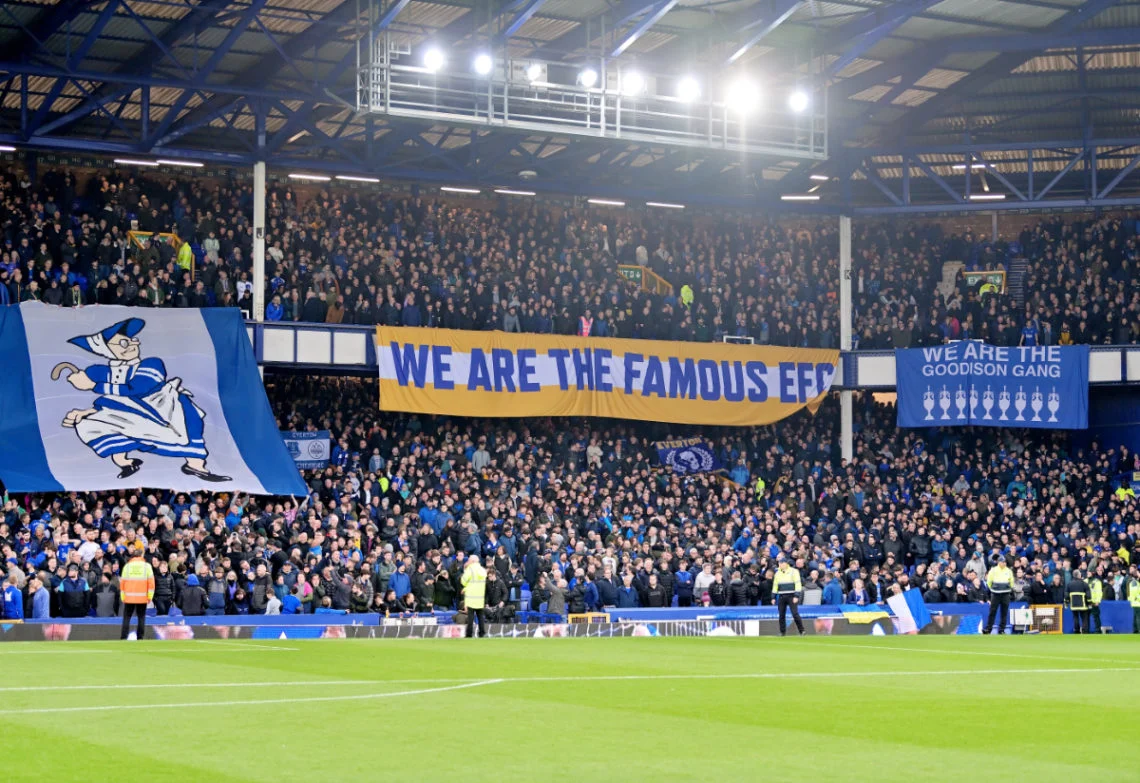
For Everton fans, the departure from Goodison Park will be bittersweet. The historic stadium has been their home for over 130 years, and leaving it behind represents the end of an era. Goodison Park is not just a football ground; it is a symbol of the club’s identity, a place where countless memorable moments have been created over the decades.
The decision to move to a new stadium at Bramley-Moore Dock is necessary for the club’s future, but it does not come without emotional cost. Fans are grappling with the idea of leaving behind a piece of their club’s history, which is why the name of the new stadium carries such weight. The backlash to the name “Hill Dickinson Stadium” is, in part, a reflection of the deep emotional connection fans have to their club’s heritage.
Conclusion: A New Era for Everton
The announcement of Hill Dickinson as the official naming rights partner for Everton’s new stadium has sparked widespread debate, with fans divided over the decision. While some view the deal as a strategic step forward, others feel that it represents a departure from the club’s roots.
Ultimately, the Hill Dickinson Stadium will stand as a symbol of the future for Everton Football Club, but whether it will ever hold the same emotional weight as Goodison Park remains to be seen. As the club moves forward into this new chapter, the name of the stadium will likely remain a point of contention for years to come – a reminder of the delicate balance between financial progress and the emotional ties that bind a football club to its supporters.

 Godwin Obaje