Godwin Obaje
Simon Jordan Slams Rangers and Celtic Amid Controversy in Aberdeen vs. Dundee United Incident
In a turbulent weekend of Scottish football, an incident at Dundee United’s win over Aberdeen has sparked widespread debate and criticism, even drawing in notable figures such as talkSPORT’s Simon Jordan. The controversy, which unfolded after a fan threw a chair onto the pitch, hitting Aberdeen’s Jack Mackenzie in the face, has captured national attention. The chair-throwing incident has led to an arrest, with the individual set to appear in Dundee Sheriff Court on Wednesday, as reported by Sky Sports.
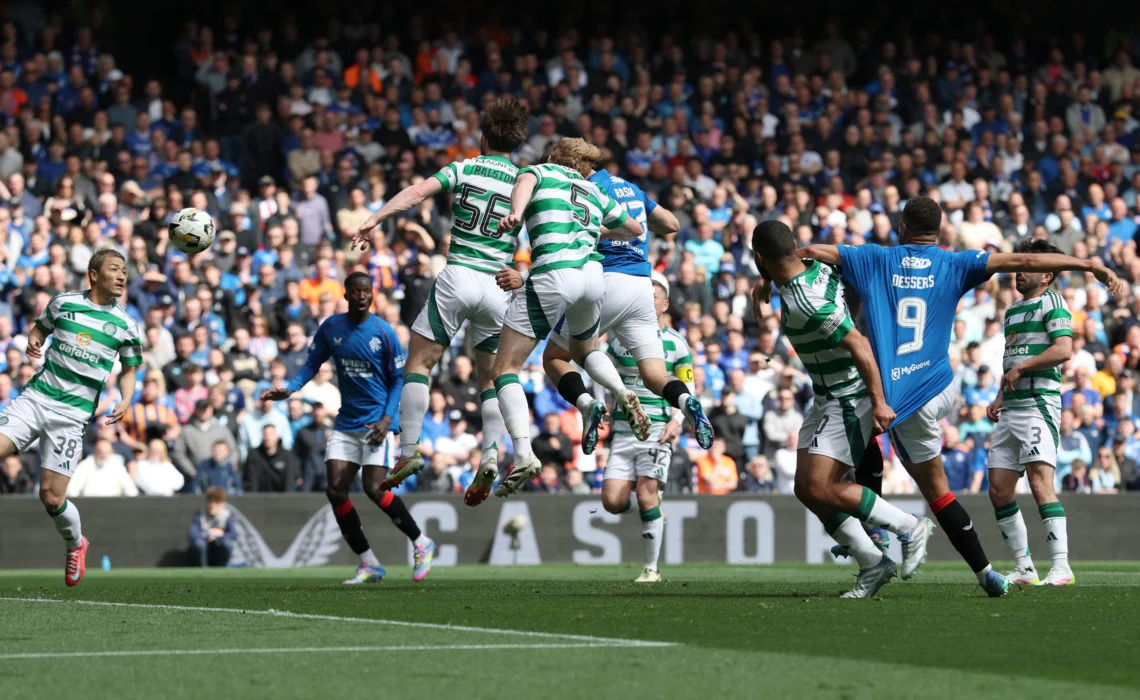
However, the incident at Tannadice has taken an unexpected twist, with Simon Jordan using the opportunity to target both Rangers and Celtic in a scathing critique. The former Crystal Palace chairman turned pundit, known for his outspoken opinions, has linked the situation to past issues involving the two Glasgow giants. On his afternoon show with Jim White, Jordan revisited controversial moments when both Celtic and Rangers had locked their respective home stadiums for derby matches, suggesting a pattern of behaviour that he described as “childish.”
The Incident at Tannadice: A Moment of Recklessness
Aberdeen’s match against Dundee United, a fixture already laden with intensity, was marred by a disturbing moment in the second half. As the game progressed, a chair was thrown from the stands, hitting Jack Mackenzie, the left-back for Aberdeen, in the face. The incident occurred during a tense period of the match, as both teams battled for supremacy.
Following the throw, an immediate reaction from both teams and fans saw the situation escalate. While the game continued, the spotlight shifted to the individual responsible for the chair-throwing, who was later apprehended. Authorities wasted no time in addressing the situation, with the individual facing charges related to reckless conduct. The man, whose identity has not been publicly disclosed, is due to appear before Dundee Sheriff Court in the coming days. This legal development highlights the seriousness with which the Scottish authorities are treating this matter.
Aberdeen expressed their fury over the incident, condemning it as both dangerous and senseless. In a statement, the club described the actions of the individual as a “reckless act” that put the safety of players at risk. The chair-throwing has been widely denounced, with many pundits and fans voicing concern over the implications for football culture in Scotland.
Simon Jordan’s Critique of Scottish Football’s “Childish” Behaviour
In an unexpected twist, Simon Jordan seized upon the incident to launch a broader attack on both Rangers and Celtic. On talkSPORT’s afternoon show, Jordan discussed the events at Tannadice with co-host Jim White, turning the conversation to the “childish” actions exhibited by the two Glasgow clubs in the past.
Jordan’s criticism was rooted in a broader context, reflecting on the history of rivalry and tension between Celtic and Rangers. He reminded listeners of previous episodes where both clubs had resorted to shutting their stadiums for Old Firm matches as a form of self-imposed policing. This decision, which had been made following various incidents of fan violence, was seen by many as an attempt to maintain control in increasingly volatile situations.
“It’s not the first time we’ve seen this kind of behaviour,” Jordan remarked on the show. “Celtic and Rangers have been guilty of it before, trying to police their own fans by locking out their own supporters, and I think that kind of reaction is childish.”
Jordan’s words resonated with many, especially those familiar with the toxic atmosphere surrounding Old Firm fixtures. The two clubs, whose rivalry is one of the most heated in world football, have often struggled to maintain control over their fanbases, with sporadic incidents of violence and misconduct marking many encounters between the sides.
Martin Keown and the Call for Immediate Action
While Jordan’s comments have certainly attracted attention, it was former Arsenal defender Martin Keown who drew the most immediate response after the incident in Dundee. Keown, a regular pundit on talkSPORT, was quick to express his shock and concern regarding the chair-throwing incident, emphasizing the dangerous nature of such actions.
“We need to catch this guy now,” Keown said, referring to the individual responsible for the chair throw. “He needs to go to prison. It’s astonishing. This kid is really lucky he did not lose an eye.”
Keown’s words were a stark reminder of the serious consequences that could result from reckless fan behaviour. He further stressed that incidents like these, while rare, have the potential to cause significant harm and should be treated with the utmost seriousness by football authorities.
Co-host Jim White, recognizing the gravity of the situation, then raised the possibility of “self-policing” as a solution to the ongoing issue of fan misconduct. While this suggestion is not new, it sparked a broader debate about the role that clubs, players, and fans should play in ensuring the safety and integrity of the game.
The Role of Rangers and Celtic in Scottish Football’s Culture of Self-Policing
Jordan’s critique of Celtic and Rangers highlights a growing frustration with how the Old Firm clubs have handled issues of fan violence and misconduct. Both clubs, while dominant forces in Scottish football, have faced criticism for their inability to fully control the behaviour of their supporters, especially in the context of Old Firm derbies. This has led to incidents such as pitch invasions, attacks on players, and even the occasional flare-ups in the stands.
In response to these challenges, both Rangers and Celtic have previously taken steps to mitigate fan violence, including imposing restrictions on ticket sales and adopting stricter security measures. However, these measures have often been viewed as reactive rather than proactive, with many critics arguing that the clubs need to do more to foster a safer environment for all involved in the game.
Jordan’s suggestion of self-policing refers to the idea that clubs and their fanbases should take more responsibility for ensuring that their supporters behave in a manner consistent with the values of the sport. This includes implementing more stringent fan behaviour policies, increasing community outreach efforts, and creating fan-led initiatives to promote positive conduct.
The Continuing Debate: Can Scottish Football Move Past Its Violent Legacy?
The controversy surrounding the chair-throwing incident has sparked renewed discussions about the culture of Scottish football, particularly in relation to the Old Firm. While the vast majority of fans support their teams in a peaceful and respectful manner, incidents of violence and disorder continue to mar the reputation of the game.
As Scottish football moves into the 2025-2026 season, there are growing calls for both Celtic and Rangers to take a more active role in eradicating the culture of violence that has plagued their rivalry. The league itself is also under scrutiny, with many suggesting that more needs to be done to address the root causes of fan violence.
Former Rangers and Celtic players, including Barry Ferguson and Ally McCoist, have previously spoken out about the importance of addressing fan violence and promoting a more positive image for Scottish football. Ferguson, who is currently leading discussions about Rangers’ future managerial appointments, has expressed frustration over the club’s perceived lack of action in dealing with these issues.
“We need to see real decisions being made,” Ferguson said in a recent interview. “It’s time for Scottish football to step up and deal with these problems head-on.”
Conclusion: Looking Ahead to a Safer Scottish Football
The incident at Tannadice may have been the catalyst for Simon Jordan’s criticism of Rangers and Celtic, but it has also highlighted a much deeper issue within Scottish football. While both clubs have made strides in addressing fan violence, the reality is that more needs to be done to ensure that such incidents are prevented in the future.
As the legal proceedings against the chair-throwing individual unfold, the wider football community will be watching closely to see how both clubs respond to the growing pressure to improve fan conduct. It is clear that Scottish football’s reputation is at stake, and only through sustained effort from all stakeholders—clubs, fans, and authorities alike—can the game move forward in a more positive direction.
In the coming months, we can expect further discussions on the topic, with pundits and fans alike calling for a concerted effort to create a safer, more respectful environment for the game. The hope is that, through these efforts, incidents like the one at Tannadice will become a thing of the past, allowing Scottish football to thrive without the shadow of violence hanging over it.

 Godwin Obaje