 Godwin Obaje
Robert Plant Defends ‘Misty Mountain Hop’: The Tolkien-Inspired Protest Anthem That Still Resonates
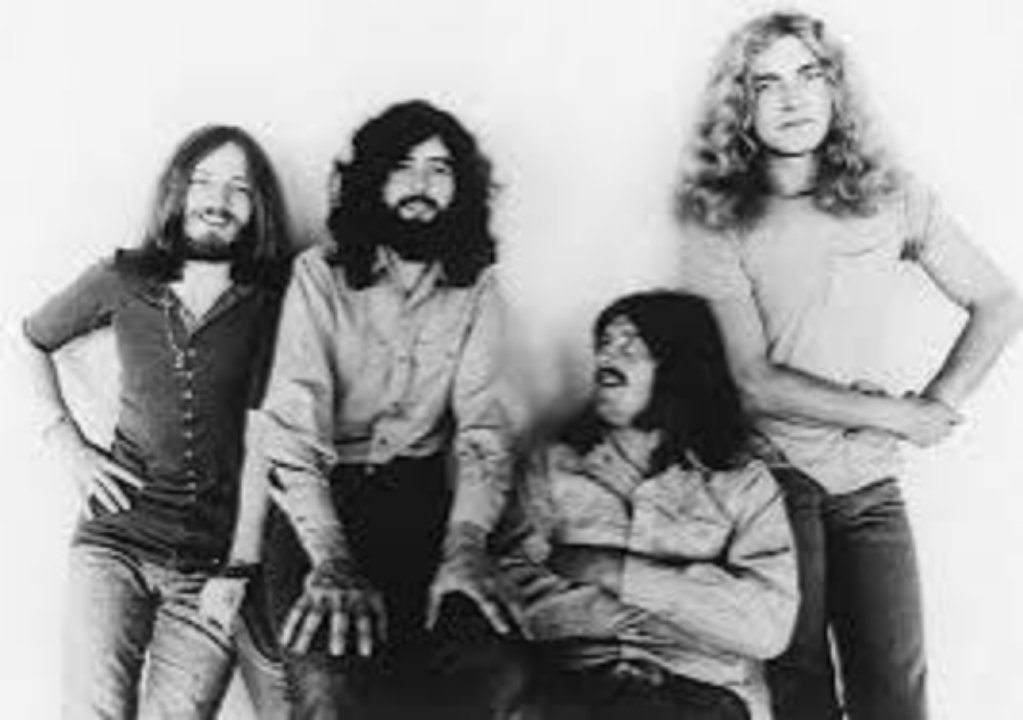
Led Zeppelin’s ‘Misty Mountain Hop’ remains one of the band’s most curious and enduring tracks—an offbeat fusion of fantasy, protest, and psychedelic wanderlust that continues to echo through Robert Plant’s career.
Lifted from the group’s untitled fourth album, often referred to as Led Zeppelin IV, the track channels a different kind of energy from the thunderous blues rock the band became known for. Instead, ‘Misty Mountain Hop’ offers a more introspective tone, threaded with idealism and countercultural defiance.
The song famously draws from J.R.R. Tolkien’s The Hobbit, referencing the mythical Misty Mountains in a nod to Plant’s fascination with literature and folklore. But this was no whimsical escapism—it was met with scorn by some contemporary critics who dismissed it as relic psychedelia.
One critic infamously labelled the track “dated flower-child gibberish”—a comment that Plant took aim at in a candid Rolling Stone interview in 1975. “The essence of the whole trip was the desire for peace and tranquility, and an idyllic situation,” he said. “That’s all anybody could ever want. So, how could it be ‘dated flower-child gibberish’? If it is, then I’ll just carry on being a dated flower child.”
Beyond the fantasy imagery, the track was rooted in real-world discontent. ‘Misty Mountain Hop’ was inspired by a 1968 rally in London advocating for the legalisation of marijuana—a demonstration that ended in a heavy-handed police crackdown. Plant used the song as a vehicle to critique authoritarianism and societal control.
“It’s about a bunch of hippies getting busted, about the problems you can come across when you have a simple walk in the park on a nice sunny afternoon,” he explained in Classic Rock Stories: The Stories Behind the Greatest Songs of All Time. “In England it’s understandable, because wherever you go to enjoy yourself, ‘Big Brother’ is not far behind.”
Musically, the track was laid down at Headley Grange—a country house turned makeshift recording studio that Zeppelin made their own during the early 70s. Its loose, hypnotic groove and echo-drenched vocals underscore the song’s blend of grounded rebellion and dreamy escapism.
Despite polarising opinion at the time, the song has become a cornerstone of Led Zeppelin’s catalogue, celebrated for its unique voice and social undertones. It featured prominently in the band’s live shows, and Plant has continued to revive it throughout his solo career.
When Led Zeppelin reunited for their historic one-off performance at London’s O2 Arena in 2007, ‘Misty Mountain Hop’ was a natural inclusion—still defiant, still searching, still resonant.
For Plant, it’s not just nostalgia—it’s a reminder of a time, a movement, and a personal philosophy he never abandoned.


 Godwin Obaje