 Godwin Obaje
Rangers and Celtic Fans Engage in Graffiti War Over Pope’s Death
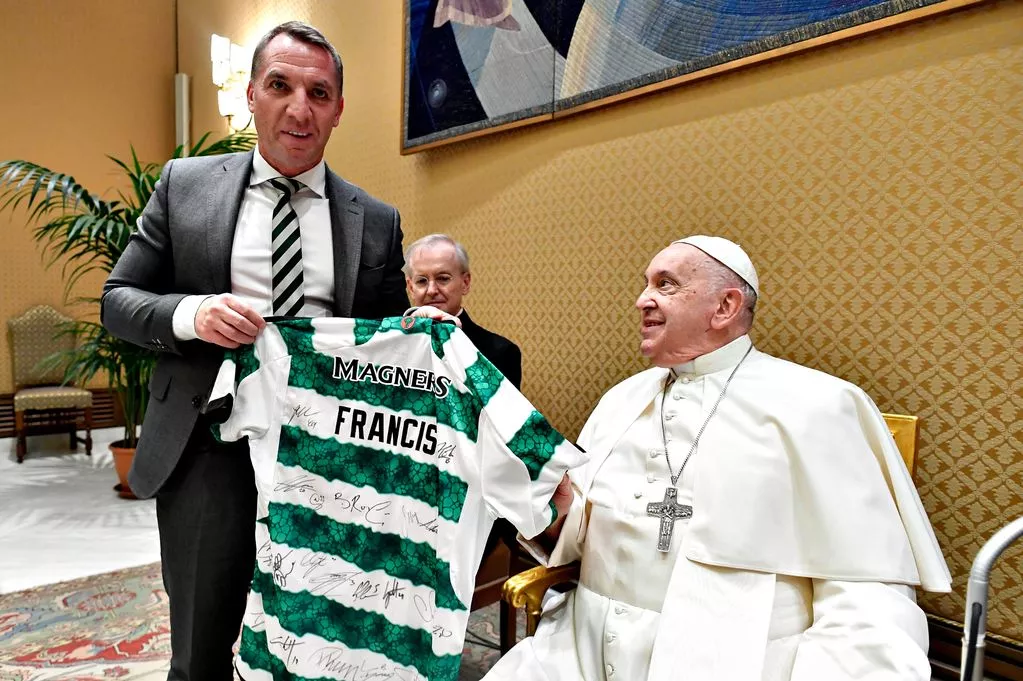
A heated rivalry between Rangers and Celtic fans has spilled over into a graffiti war on the streets of Glasgow, sparked by the recent death of Pope Francis. Members of the Union Bears, a Rangers ultras group, defaced a motorway-side building with a message mocking the Pope’s passing, featuring the club’s colors and the phrases “No Pope of Rome” and “Papa Francesco is Dead.”
The move was swiftly countered by a rival Celtic fan group, which painted over the message with the colors of the Irish flag and the phrase “No flags or drums.” A smaller section of writing added, “Dundee, Hamilton, yer drums are in the Vatican,” seemingly referencing an incident last year where Celtic fans stole a haul of clothing, drums, flags, and banners from the Union Bears.
The Old Firm rivalry between Rangers and Celtic runs deep, with religious differences playing a significant role in the divide between the two sets of fans. Rangers have historically been associated with Protestantism, while Celtic was founded by Irish Catholics. This animosity has manifested in various ways over the years, including chants and graffiti.
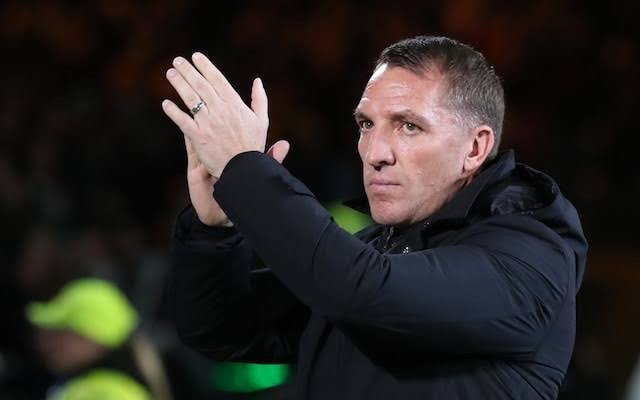
The recent graffiti incident comes as Celtic looks set to win another league title under Brendan Rodgers, with the team 15 points clear of Rangers in the Scottish Premiership standings. The two teams are scheduled to meet at Ibrox on May 4, before Celtic takes on Aberdeen in the Scottish Cup final later that month.
The controversy surrounding the graffiti has sparked debate about the limits of fan behavior and the role of football clubs in policing their supporters’ actions. While some argue that fans should be free to express themselves, others believe that clubs have a responsibility to ensure their fans do not engage in behavior that could be perceived as inflammatory or disrespectful.
As the rivalry between Rangers and Celtic continues to simmer, it’s clear that the passion and dedication of their fans are a double-edged sword. While the rivalry drives the teams to perform at their best, it also creates an environment in which tensions can run high and conflicts can arise.
In the midst of this heated rivalry, it’s worth examining the historical context that has shaped the relationship between Rangers and Celtic. The two clubs have a long and complex history, with roots that stretch back to the early days of Scottish football. Understanding this history is crucial to grasping the intensity of the rivalry and the emotions that drive it.
As the dust settles on this latest incident, one thing is clear: the rivalry between Rangers and Celtic shows no signs of abating. Whether on the pitch or off it, the two teams and their fans will continue to push the boundaries of what it means to be passionate about football.


 Godwin Obaje