 Godwin Obaje
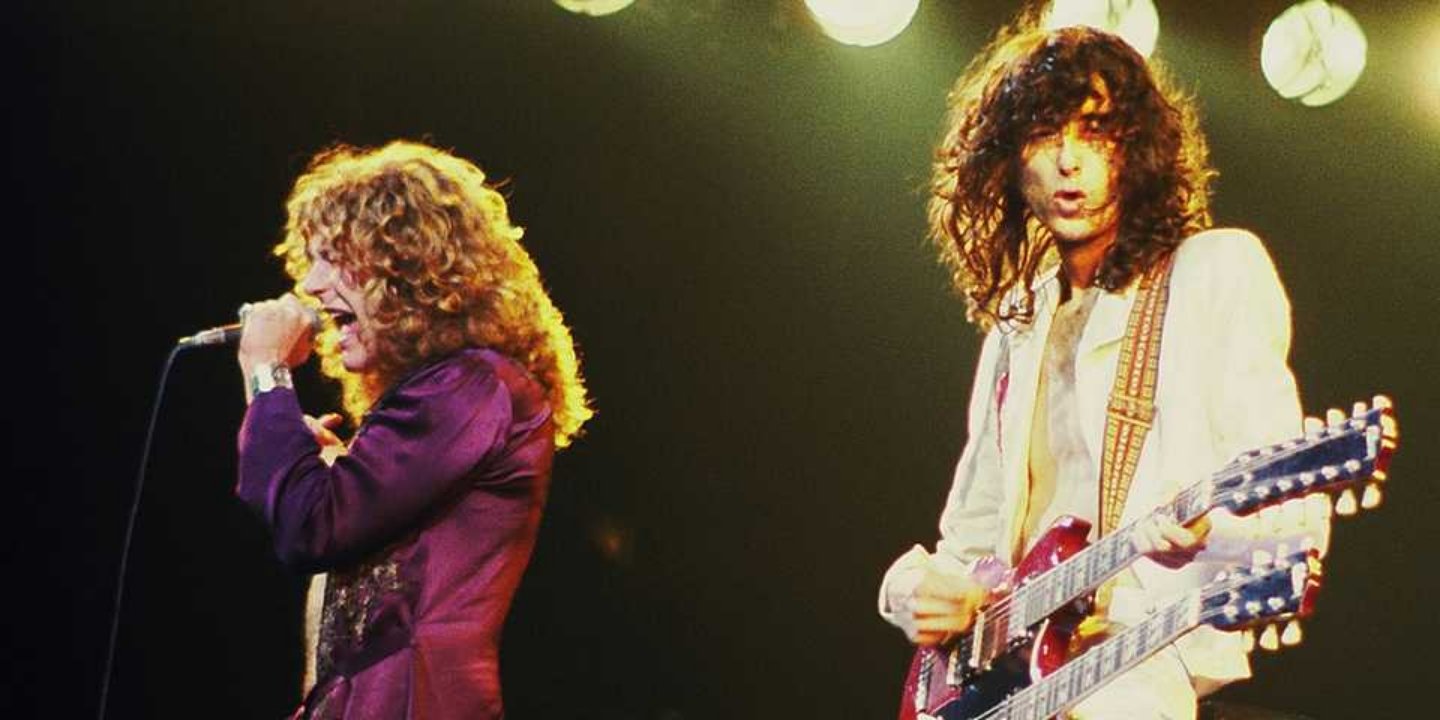
For many legendary rock bands, farewell tours and reunion shows have become something of a marketing strategy—one final spin of the nostalgia wheel before cashing in. But for Led Zeppelin, arguably the greatest rock band of all time, things never quite followed that well-trodden path. Despite enormous commercial temptation, and a fanbase clamouring for more, any hopes of a long-term reunion were quietly shut down by one man: Robert Plant.
While Led Zeppelin’s surviving members did briefly come together for the iconic Celebration Day performance at London’s O2 Arena in 2007, which was hailed as one of the most powerful live rock events of the 21st century, it has remained a one-night-only affair. Unlike many of their peers content to risk tarnishing legacies for financial reward, Plant refused to drag Zeppelin into the past.
The band’s brief reunion at Live Aid in 1985 remains one of the more infamous moments in their history—widely criticised and frequently cited as a reason further attempts fizzled. But in truth, it was Plant’s personal conviction that drew the line under any future reunion talk.
“The whole thing dematerialised,” Plant later admitted in an interview with Rolling Stone (via Far Out). “Jimmy had to change the battery on his wah-wah pedal every one and a half songs. I said, ‘Look, man, I don’t need the money. I’m off.’”
That blunt declaration speaks volumes. Unlike some of his bandmates, Plant never showed much appetite for revisiting Zeppelin’s past. In fact, he was inspired by a radically different musical future. Influenced by post-punk and new wave acts like Talking Heads, he deliberately shifted direction after the band’s split, choosing evolution over repetition.
Plant’s post-Zeppelin career has arguably been the most successful and critically respected of the surviving members. His collaboration with bluegrass star Alison Krauss, in particular, has earned him both Grammy Awards and a whole new generation of fans. Meanwhile, Jimmy Page spent the ’90s working with Whitesnake’s David Coverdale and rekindling the Zeppelin partnership through Page & Plant, which yielded some strong moments—but none with the cultural punch of Plant’s solo work.
John Paul Jones, always the band’s quiet genius, took a more low-key path. He avoided the solo spotlight until the late ‘90s, choosing instead to focus on production work and collaborations, including the supergroup Them Crooked Vultures with Dave Grohl and Josh Homme.
Ultimately, Zeppelin’s enduring mystique may owe a debt to Plant’s refusal to give in to nostalgia. While the band could have followed the well-worn route of endless “farewell” tours, it was Plant who drew the line. And perhaps it’s for the best.
Sometimes, the most rock ’n’ roll thing you can do… is walk away.

 admin
admin
 Godwin Obaje