 Godwin Obaje
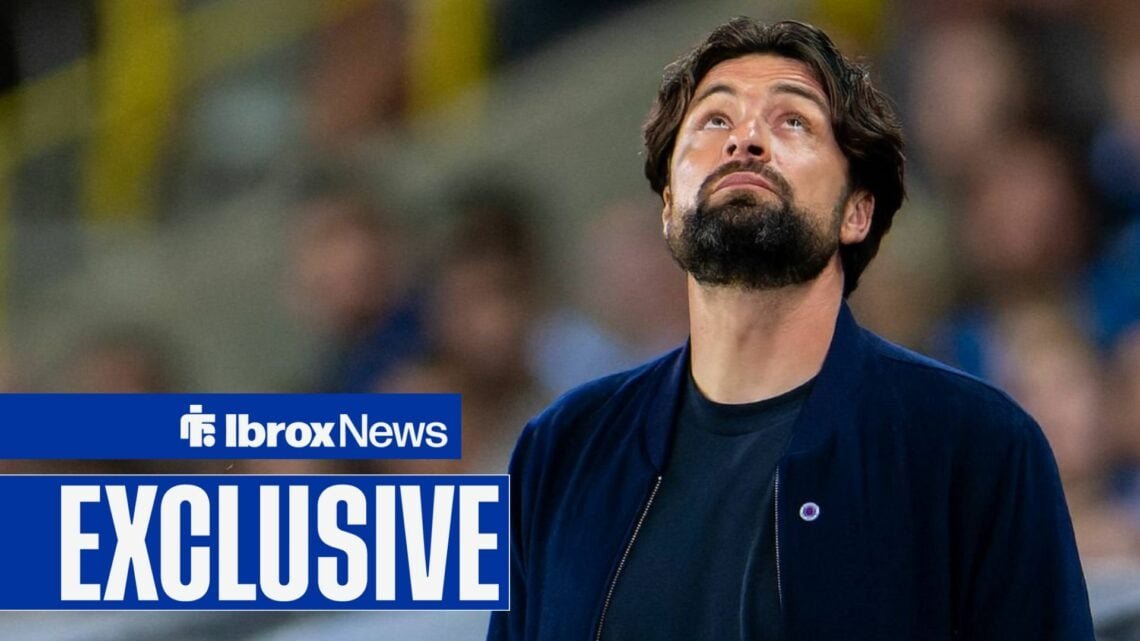
Kevin Muscat emerges in Rangers’ managerial picture as search intensifies
Glasgow — Rangers FC have reportedly placed Kevin Muscat on their shortlist as they pursue a successor to Russell Martin, sources say. The 52‑year‑old, currently in charge of Shanghai Port in the China Super League, is seen as a strong candidate thanks to his attacking principles and global experience — though his present contract and the Chinese season schedule could complicate any move.
His name has gained traction following the collapse of Steven Gerrard’s candidacy, opening new avenues for Rangers’ decision‑makers. Gerrard, initially viewed as the frontrunner, withdrew from talks after negotiating with the club hierarchy, leaving space for alternative ambitions.
Muscat is not the only name under consideration — Danny Rohl, another contender, has reportedly held constructive talks with the club in London in recent days. Meanwhile, Stevie Smith and Brian Gilmour, backed by Sal Bibbo and Rhys Owen, are handling first‑team training on an interim basis, though Smith has not been formally installed as interim manager.
A profile: Muscat’s credentials and appeal
Kevin Muscat spent a single season at Rangers as a player back in 2002–03, and ever since he has remained a compelling figure among supporters. His reputation as a demanding, energetic coach with an emphasis on forward play aligns in some ways with the ethos Rangers hope to replicate.
Over his managerial career, Muscat has steered teams across Australia, Belgium, Japan and now China, achieving domestic success in multiple settings. His current role at Shanghai Port has drawn particular attention: insiders acknowledge that his attacking style and management methods echo those of former Celtic boss Ange Postecoglou, making him an intriguing stylistic match.
Ahead of a recent Asian Champions League tie, Muscat delivered a message that resonated with Rangers fans:
“There’s only one thing that I put all my energy into at this moment in time, and that’s giving the players everything they possibly need to perform well enough to win a game of football. … It’s in my genes, it’s in my DNA to want to win titles. … Performances are what wins titles and what wins trophies.”
It’s clear he understands the weight of likelihood and expectation at a club of Rangers’ stature.
Obstacles and timing concerns
The prospect of appointing Muscat is complicated by several practical considerations.
Perhaps the most pressing is his contractual commitment in China. The CSL season’s timing and Shanghai Port’s ambitions — they are reportedly in a title race — make an immediate transition challenging. Some analysts believe he may only become available after the conclusion of the Chinese campaign.
Supporters have voiced similar doubts. As one fan put it:
“4 games left in the Chinese League, his team’s top by 2 points. No manager’s leaving his team under those circumstances.”
Moreover, his tenure at Shanghai has been stable. Reports indicate he has even extended his deal with the Chinese club, signalling commitment to his current project.
Another potential handicap: despite his pedigree abroad, Muscat is largely untested in European club football. Some critics see that as a gap, especially given the pressure cooker of Scottish Premiership expectations.
Still, some voices remain supportive. Mark Bosnich, for one, recently praised Muscat’s style and credentials:
“He’s obviously played for Rangers before … he likes to play that style of football … entertaining football but it also brings results.”
Rival candidates and board deliberations
Danny Rohl remains a significant threat for the role. The former Sheffield Wednesday coach has already impressed during preliminary discussions in London, and insiders suggest he could be fast‑tracked depending on the club’s timetable.
Other names have been mooted, including Derek McInnes (currently at Hearts) and Graham Potter, though their candidacies appear less advanced at present.
Rangers’ hierarchy is understood to be deliberate in its approach. With chairman Andrew Cavenagh and executive Paraag Marathe heavily involved, the leadership is keen to avoid rushed decisions. Some internal sources suggest they aim to balance long-term vision with immediate stability.
At the moment, the first-team operation is overseen by Smith, Gilmour, Bibbo, and Owen — a stop‑gap arrangement as the board weighs its options.
The stakes for the new appointment
The next Rangers manager will step into a club under pressure. Last season’s managerial turnover, plus renewed scrutiny of domestic performance, means the incoming boss must deliver quickly. Like with many appointments of this size, the balance between ambition and pragmatism will be crucial.
Muscat’s attacking style, international exposure and motivational ethos make him an attractive option — but only if he can transition smoothly into Scotland’s demanding environment. Whether Rangers are willing to wait, or whether they pivot to a candidate ready to hit the ground running, remains to be seen.
One thing, however, is certain: it is a pivotal moment in Rangers’ modern history — the choice made now could define their trajectory for years to come.


 Godwin Obaje

 admin
admin