 Godwin Obaje
Rangers may yet return to Gerrard, says Boyd – but they’ll have to “beg”
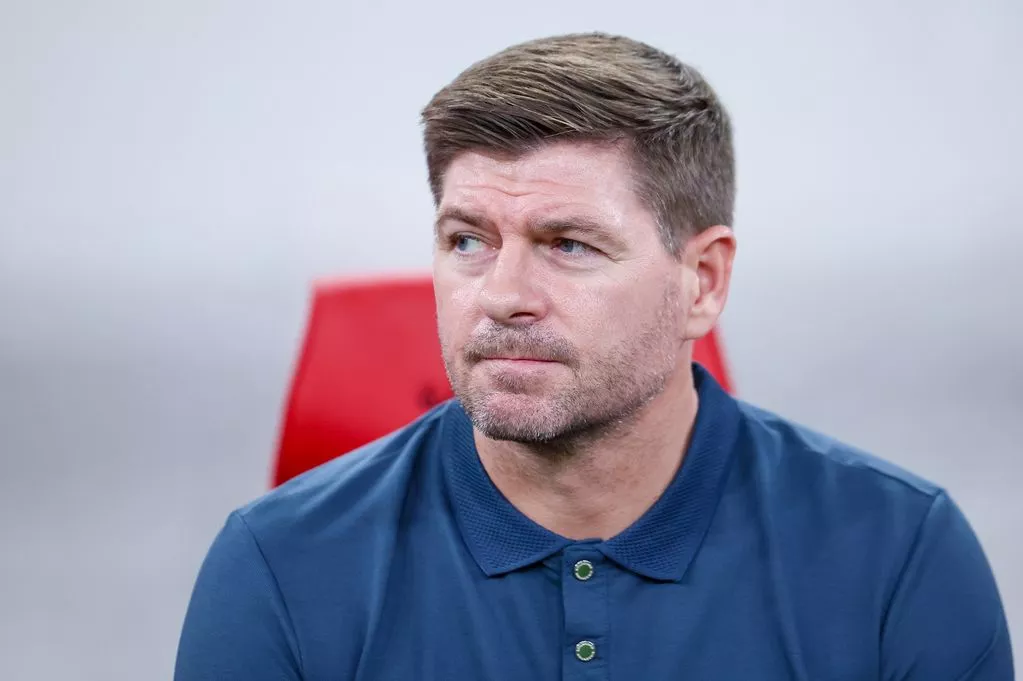
In the wake of Steven Gerrard’s surprise decision to withdraw from the running to become the next Rangers manager, pundit Kris Boyd insists the door is not closed on a return – but warns that the club may have to prostrate itself if it is to persuade the former Ibrox hero to come back.
Gerrard had long been viewed as the frontrunner to succeed Russell Martin, engaging in what were described as “open and constructive” talks with the club. However, he ultimately announced that the timing was not right. Reports suggest his exit was amicable, with both parties leaving the door open for future conversations.
Outspoken former Rangers striker and Sky Sports pundit Boyd believes the club hierarchy has not ruled Gerrard out entirely. But – in his blunt style – he says that if Ibrox chiefs want to reverse this situation, they may need to resort to what he calls a “begging bowl.”
“The only thing that I could think, maybe, has thrown a spanner in the works is the whole Kevin Thelwell and Patrick Stewart scenario. A manager won’t want to take on effectively his bosses,” Boyd told The Scottish Sun. “But if Steven Gerrard has spoken to the owners of the club, and they have had good conversations, like we were led to believe happened, there might be a power struggle here.”
He added: “As it stands right now, I really don’t know where Rangers are going to turn to. It might be a case where they have to go back to Steven Gerrard with the begging bowl and say ‘Listen, we need you to come here, and we’re going to move the structure within the football club to allow you to come here’.”
That stark image captures the delicate position in which Rangers now find themselves. Gerrard’s reputation and connection to the club remain strong — he delivered the Premiership title in 2021, halting Celtic’s dominance. But since leaving Ibrox in late 2021, his managerial path has been inconsistent — a difficult stint at Aston Villa followed by a spell in Saudi Arabia with Al‑Ettifaq, which concluded earlier this year.
The Gerrard withdrawal leaves Rangers’ American-led board — including Andrew Cavenagh and Patrick Stewart — with a pressing challenge. Having already dismissed Martin after just four months in charge, the club must now expedite its search for a successor. The spectre of a retrograde step looms if the replacement is perceived as lesser, and supporters are watching closely.
In recent days, the name of Danny Röhl, the former Sheffield Wednesday boss, has emerged as the leading candidate. His coaching credentials include experience within German and English systems, and he reportedly impressed during recent meetings with Rangers’ hierarchy. Still, his lack of experience in Scottish football may prove a sticking point for skeptical fans.
Other candidates under consideration include Kevin Muscat, a former Rangers player turned coach in Asia, and Derek McInnes, currently at Hearts. Meanwhile, Sean Dyche has reportedly declined interest in the role. The board is understood to be canvassing a wide group of names at this stage.
Even as the midweek rumours swirl and executive meetings continue, Boyd maintains that Gerrard still fits many of the boxes in terms of status, credibility, and connection with the fanbase. “Kris Boyd believes Steven Gerrard can lift standards and end fans’ discontent if he returns to Ibrox,” one Sky Sports headline put it.
Yet Boyd’s tone is not purely hopeful. His language suggests frustration with Rangers’ hierarchy — as though the negotiation leverage is already slipping. The challenge, in his view, is not simply to attract Gerrard but to convince him that the internal architecture of the club is changing. For any potential return to succeed, the board must show they are willing to adapt, not just petition.
Indeed, the mention of Kevin Thelwell (sporting director) and Patrick Stewart (executive) by Boyd is telling. It signals tension over the power dynamics at the club — a key reason why a manager of Gerrard’s reputation may be wary of injections of authority above him. Boyd seems to imply that unless those structural tensions are resolved in Gerrard’s favour, even a high‑profile campaign may fail to persuade him to commit.
From the board’s perspective, Gerrard represented both opportunity and risk. His track record and resonance with the fanbase made him an attractive candidate, yet he arrives with expectations that few candidates could ever meet. His decision to walk away slams shut what Rangers may have regarded as their clear path forward.
Looking ahead, the urgency is stark. Rangers sit in a precarious position in the Scottish Premiership, with mounting pressure to arrest decline and restore momentum. The board must now align quickly behind a viable alternative — giving Röhl, or any incoming coach, the support structure to succeed immediately.
But Boyd’s prediction lingers: Rangers may ultimately have to return to Gerrard’s door, hat in hand. Whether Gerrard would even welcome that remains open. The board may be forced into a difficult choice: settle for a less-than-ideal candidate now, or hope that with concessions, Gerrard can be persuaded back into the fold.
In the coming days, the club must show clarity, resolve, and perhaps humility. The negotiation has already begun — between board and candidate; club and fanbase. And in that framing, Boyd’s “begging bowl” metaphor carries a stark implication: Rangers may no longer command the narrative — they may need to plead to reclaim it.

 Godwin Obaje
 admin
admin