 Godwin Obaje
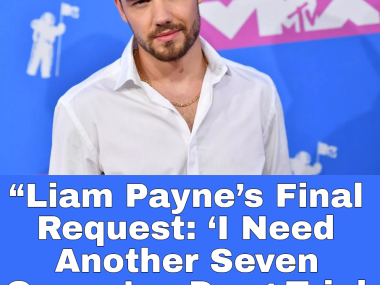
There’s a bitter irony running through Netflix’s new talent competition Building the Band. The series, arriving on screens this week, is meant to launch the next generation of pop stars. Instead, it inadvertently serves as a grim tribute to one of its judges — Liam Payne — whose tragic death last year underlined everything that’s broken about the industry these shows continue to fuel.
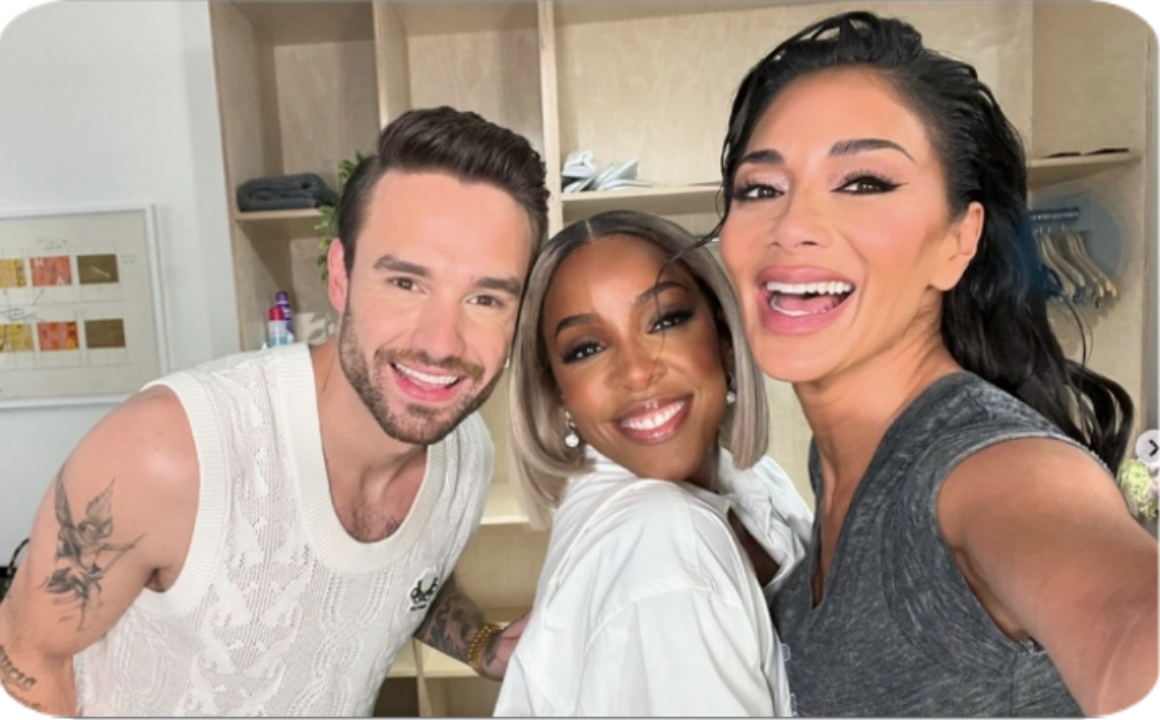
Payne’s final television appearance was filmed just weeks before he died at the age of 31, following a fall from a hotel balcony in Buenos Aires. He appears alongside fellow mentors Nicole Scherzinger and Kelly Rowland, hosted by AJ McLean of the Backstreet Boys. And while his family approved the inclusion of the footage, it’s impossible to watch without confronting the disturbing truths surrounding the machinery of fame.
The programme’s trailer is glossy and upbeat, as you’d expect. It boasts a format that fuses The Voice with Love Is Blind — 50 hopefuls are divided into bands, rehearsing separately before meeting their bandmates for the first time on stage. There’s a $250,000 prize on offer. But the pitch is less about musical craft and more about drama. “What will happen when the bands finally meet, and looks, choreography and style come into play?” asks the official synopsis. It promises “incredible performances, compelling drama, and one big goal – to find the next great music band.”
But “compelling drama” is often just code for manipulation — of contestants’ stories, emotions, and reputations. And that’s the heart of the problem. Building the Band ignores the hard-earned lessons of Payne’s life, and the industry that chewed him up, selling the same fantasy of instant stardom without addressing the long-term costs of fame.
This isn’t about poor taste. It’s about dangerous patterns. “It just serves as an unavoidable reminder of the long-term dangers of shows like this,” the article reflects, “that thrust young people… into an industry they may not be ready or prepared for.”
These shows manufacture stars, but offer no support once the cameras stop rolling. Contestants are often left to navigate intense scrutiny, online abuse, and industry pressure on their own. One Direction, formed on The X Factor in 2010, were one of the show’s most famous exports — but their individual struggles since have painted a stark picture of what happens when young lives are turned into entertainment products.
It’s telling that newer artists now skip these competitions altogether, building careers on YouTube or TikTok, where they can control their own narrative. As Building the Band revives a tired formula, it feels not nostalgic, but irresponsible.
Last week at Glastonbury, Jade Thirlwall — formerly of Little Mix, another product of The X Factor — gave a striking solo performance. Her closing number, Angel of My Dreams, turned pain into power. “I couldn’t help but think about Liam Payne,” the writer reflects, “and all the other victims of the TV fame factory whose trauma will never find an outlet in song.”
Netflix may call it entertainment. But the cost is far too high.

 Godwin Obaje