 Godwin Obaje
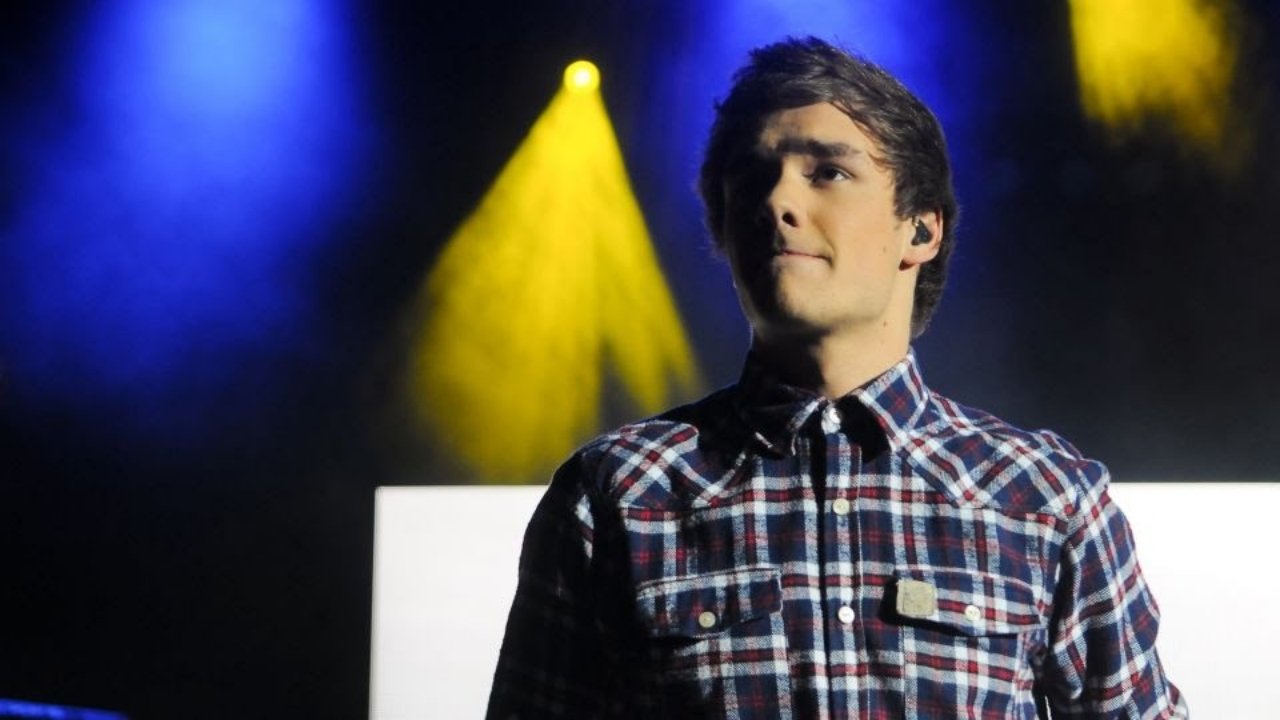
Liam Payne’s sudden death has shaken the music world — not only for its tragedy but for what it reveals about the entertainment industry’s ongoing failure to protect young talent.
The 31-year-old former One Direction star reportedly died after falling from a third-floor balcony at a hotel in Buenos Aires. Local authorities believe Payne was alone at the time, though the full details remain under investigation. Reports from the scene describe erratic behaviour and a smashed television — a grim echo of the internal chaos Payne had spoken about in the years leading up to his death.
Thrust into the spotlight at just 16 after his breakout on The X Factor, Payne spent half his life in the glare of global fame. His passing has reignited urgent calls for reform in an industry that has long profited from — yet often failed — its youngest stars.
“We all let you down. Where was this industry when you needed them?” wrote Sharon Osbourne in a blunt social media post. “You were just a kid when you entered one of the toughest industries in the world. Who was in your corner?”
Though Osbourne was not a judge on Payne’s seasons of The X Factor, her words strike a chord. Many believe the system is stacked against young performers. Songwriter Guy Chambers, a close friend of Robbie Williams, echoed those concerns, telling The Observer: “I do think putting a 16-year-old in an adult world like that is potentially really damaging… I would suggest that people should not be in a boy band until they are 18, and the industry should stick to that.”
Payne himself was open about his struggles. In a 2021 interview on The Diary of a CEO podcast, he admitted to years of alcohol abuse and loneliness while on tour. “In the band… the best way to secure us, because of how big we’d got, was to lock us in our rooms. What’s in the room? A mini-bar,” he said. “So at a certain point I thought, I’m just going to have a party-for-one, and that carried on for many years of my life.”
His self-described “pills-and-booze phase” left him bloated and broken. He once likened going onstage to “putting the Disney costume on,” masking deep personal distress. Yet in 2023, there was hope: Payne announced he had reached 100 days of sobriety and expressed optimism about the future.
But his story is far from an isolated case. Experts warn that fame at a young age can distort identity and emotional development, leading to mental health challenges and addiction. In an era of relentless media scrutiny, every misstep becomes public fodder, fuelling shame and despair.
The entertainment industry, critics argue, has not kept pace with its duty of care. Liam Payne’s death is not just a personal tragedy — it is a damning reflection of systemic neglect. Unless real change comes, more young lives will remain at risk.


 Godwin Obaje