 Godwin Obaje
Sometimes, Band Reunions Simply Can’t (& Shouldn’t) Happen: Why Led Zeppelin’s Legacy Thrives Without One
In the world of rock ‘n’ roll, reunions are often seen as inevitable — sometimes celebrated, sometimes mourned. But for Led Zeppelin, one of the most influential bands in music history, the idea of reforming has always come with complexity. And for good reason.
After the sudden death of drummer John Bonham in 1980, the remaining members of Led Zeppelin made a rare and unanimous decision: to call it quits. It wasn’t just the loss of a bandmate — it was the end of the chemistry that had made their music iconic. What followed was a divergence so profound that the notion of a true reunion feels not only improbable, but perhaps creatively misguided.
Robert Plant, the group’s golden-haired frontman, has arguably had the most successful solo career — both commercially and critically. His musical journey has remained as eclectic and bold as his Zeppelin days. From his celebrated collaboration with bluegrass artist Alison Krauss to critically acclaimed solo records, Plant’s post-Zeppelin work has earned him accolades that few of his rock contemporaries have matched. His refusal to be boxed in by nostalgia is telling.
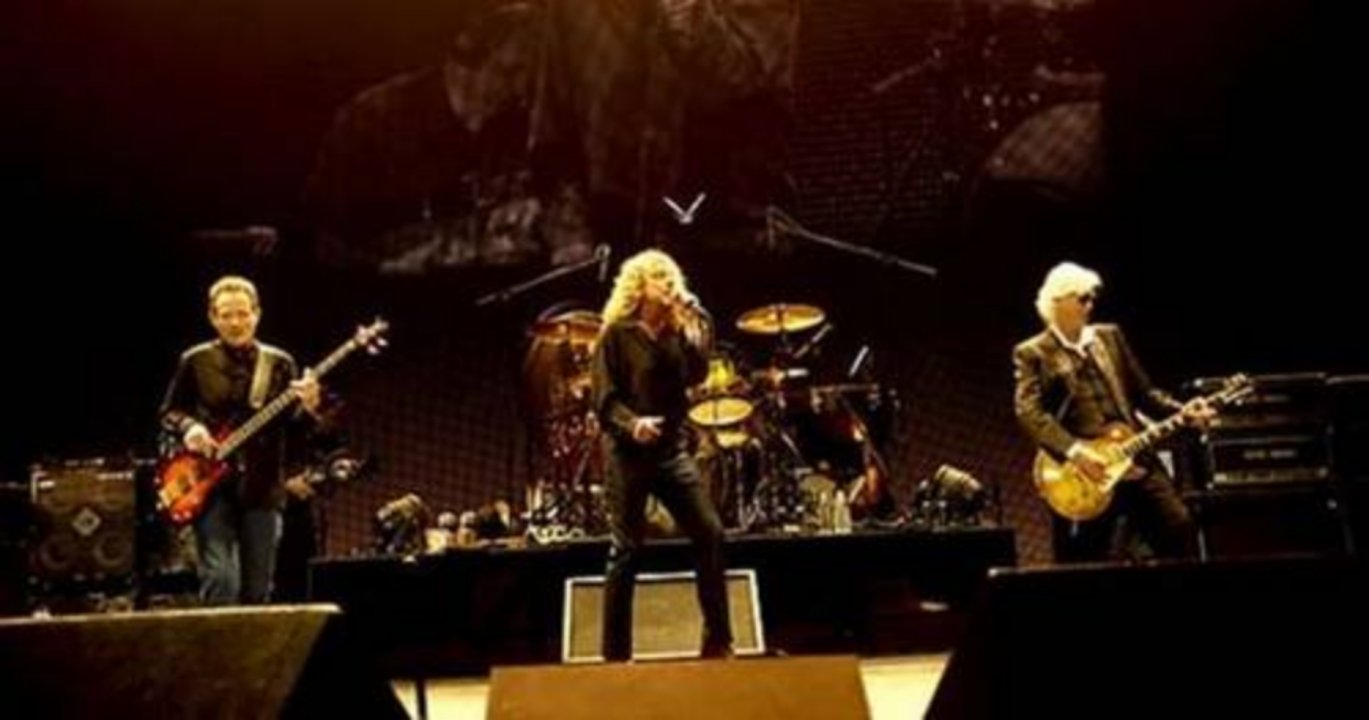
As one retrospective review on Celebration Day, the band’s one-off 2007 reunion concert at London’s O2 Arena, pointedly notes: “Sometimes, band reunions simply can’t (& shouldn’t) happen.” That concert, released as a film in 2012, was viewed by many as a fitting and final celebration of what Zeppelin once was — not a prelude to more.
Meanwhile, bassist John Paul Jones took a very different route. Always more of the quiet craftsman than the spotlight-seeker, Jones immersed himself in the world of production and composition. While he waited nearly two decades to release his first solo album, Jones remained musically active, collaborating with artists like Dave Grohl and later becoming a core member of the supergroup Them Crooked Vultures, alongside Grohl and Josh Homme.
Guitarist Jimmy Page’s post-Zeppelin journey was more erratic. He partnered with Whitesnake’s David Coverdale in the early ‘90s, though the results were met with mixed reactions. More successfully, he reconnected with Plant in the mid-90s for the Page & Plant project — a partial return to Zeppelin’s sound but one that still hinted at lingering creative tensions. Their relationship has remained a subject of fascination, often described as fraught and fragile. “As is so often the case between a guitarist and singer,” one observer noted, “Jimmy Page and Robert Plant’s relationship is a more contentious situation.”
Ultimately, the myth of Led Zeppelin has only grown in the absence of constant comebacks. The band’s legacy feels untouched, unspoiled — precisely because it hasn’t been diluted by repeated reunions or hollow tributes.
When the personalities of a band are as distinct — and as divergent — as Zeppelin’s, there’s no surprise that they’ve each walked different roads. And perhaps that’s the greatest tribute they could give to what they once built: by not trying to rebuild it at all.

 admin
admin


 Godwin Obaje